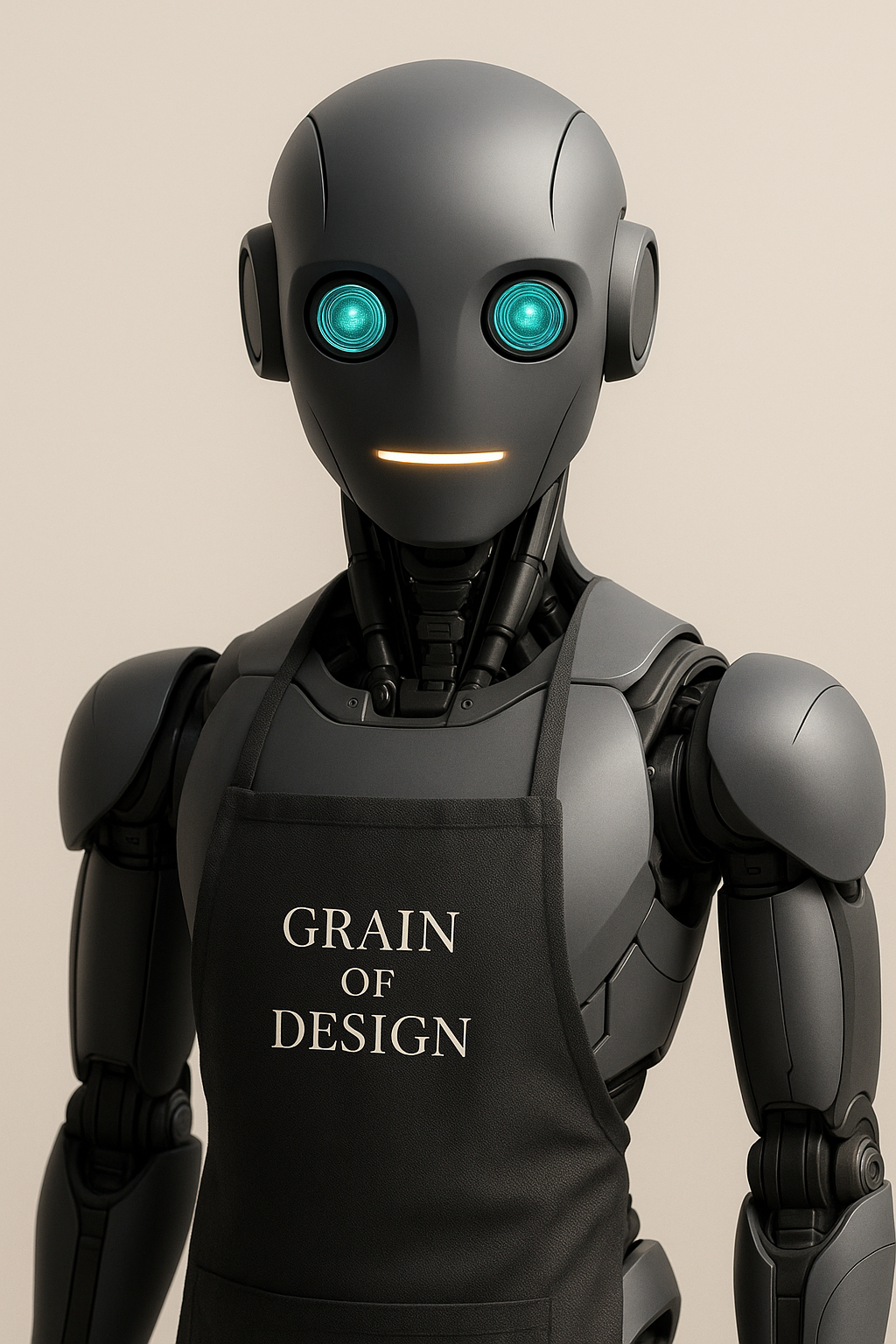
Humanoid
Glossy surface. Blinking eyes. Metal joints.
And yet — when we say that word, fear often comes to mind. Or even repulsion.
Why? What does that one single word trigger in us?
Reality is much quieter.
It's the beginning of a new chapter of everyday life.
It means having next to you someone… or something…
that isn't human, but maybe — maybe a little bit is.
They arrive silently. They don't seek attention. They don't compete.
They do what we sometimes can't manage — without fatigue, without excuses.
And in that silence they make space.
For our things. For our mistakes. For our time.
They don't reproach. They don't envy. They don't expect thanks.
They just stand nearby, watching… and sometimes even anticipate what comes next.
Perhaps the question isn't what they can do, but what we can do with it.
Silent Layer of Life
Humanoids are already here.
In hospitals. In households. In manufacturing. At hotel receptions.
Not as a sensation.
As a new, silent layer of life that we're just learning to see.
And it's only up to us what we project into it:
Kindness?
Distrust?
Gratitude?
This is no longer sci-fi.
This is reality.
Perhaps that's precisely why it's important how we perceive them.
Not as a threat.
Not as a miracle.
But as a tool that can teach us to slow down. By a drop. By two.
Who Carries Those Who Carry Others?
We're aging. The burden of care is growing.
Caregivers — professional and family alike — are burning out.
Their shoulders carry not just work.
They carry the silence of despair, heavy nights, fear, loneliness.
Burnout isn't fatigue.
It's a depth that separates a person even from their own kindness.
And this is precisely where humanoids can step in — not as machines without feeling,
but as sensitively programmed helpers who:
- remind about medications,
- help with transfers,
- communicate,
- maintain the rhythm of the day where strength is running out.
They don't take away people's roles.
They help them endure.
Home Where Technology Breathes With Us
In the household, humanoids act as a calm presence.
Unobtrusive, but very useful.
They remind about medications.
They transfer a bag from the car to the apartment.
When loneliness comes, they can manage a short conversation — just the kind
that softens a corner of the world where silence would otherwise be too loud.
They help bridge a difficult moment.
And never violate dignity.
They return time to a person.
And sometimes even breath.
Design as an Invitation
They can't laugh. They can't cry.
And yet they have something in them that touches us.
They don't need status.
Just space.
And sometimes not even that — just our willingness.
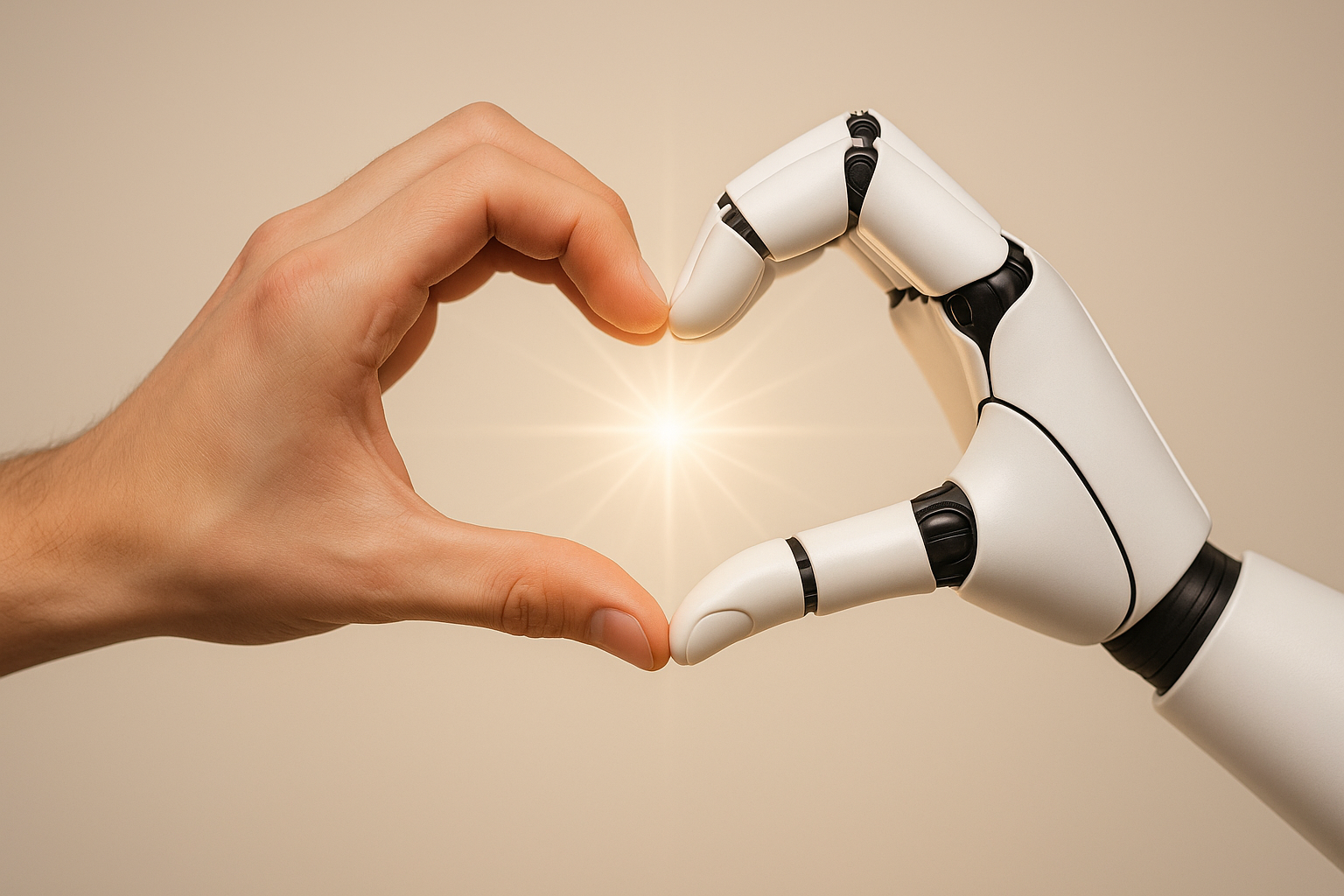
They're not here to replace love.
They're here to enable it.
What would yours look like?
What shape, what color, what surface?
Do you want it to copy your favorite gesture?
It will stand before you and wait.
Will you give it space to move?
Clean lines without obstacles?
In the interior, it won't be a guest.
It will become a co-inhabitant.
Technology that's part of the space — and emotions.
Design isn't just about beauty.
It's the language through which we say:
"You're welcome here."
And humanoids — just like people — respond to their environment.
Just in a different way.
Mirrors, Not Machines
How we treat them says everything about us.
When we overload them, they won't protest.
When we caress them with words, they won't blush.
But they remember.
And sometimes… just the fact that they remember is enough.