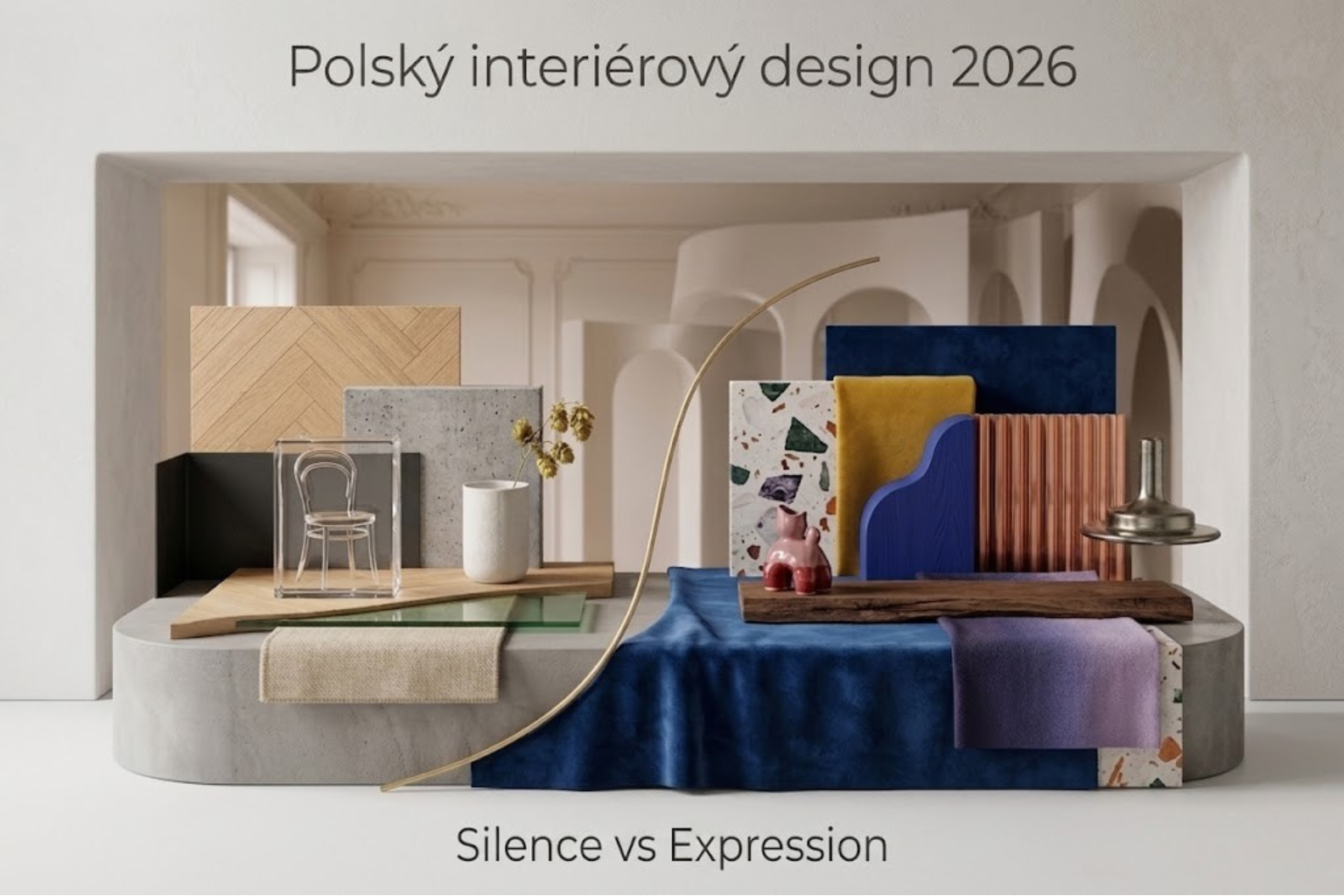
Poland is experiencing an interior design boom that can no longer be ignored. While a decade ago restrained minimalist projects dominated the scene, today Polish design radiates confidence, respect for craft, and the courage to work with emotion and colour.
In this article we look at four remarkable Polish studios that represent different faces of contemporary Polish design – from intense colour palettes to sculptural purity and elegant playfulness.
1. COI Studio – Colour-drenched maximalism from Wrocław
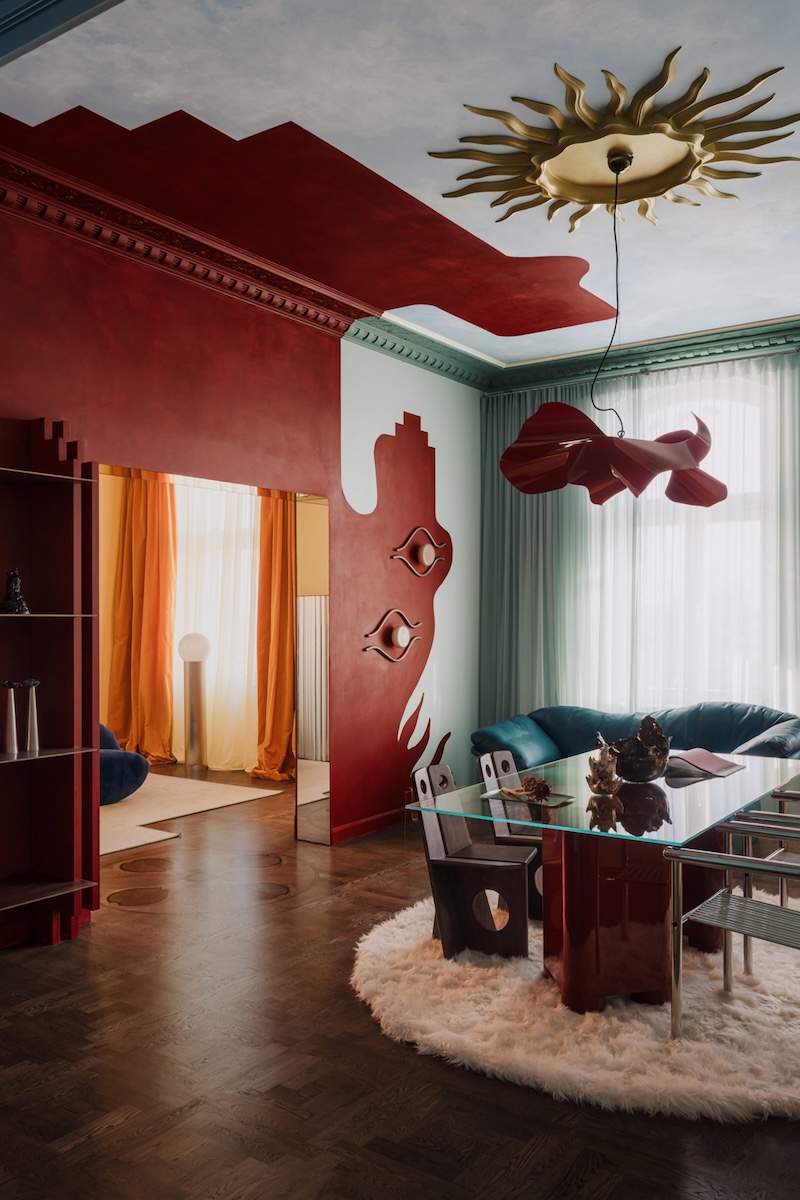
COI Studio – Two Suns project, Poznań
Design as silence that has structure.
- Colours: vivid and dramatic – rich tones of wood, velvet and silk
- Materials: coloured wood, velvet, silk, custom furniture from the studio's own workshop
- Composition: very clean but not sterile – always containing a moment that gently disturbs it (a detail, texture, asymmetry)
The project Two Suns – an apartment in an Art Nouveau building in Poznań's Jeżyce district – was described by Dezeen as "powerful and poetic". Colour here ceased to be an accent and became the primary narrator of the story. Vivid wood, velvet and silk create a sculptural, sensory and slightly surreal space that nonetheless remains deeply liveable.
Monika Rogusz-Witkoś says that every colour has its own emotional temperature and the whole interior feels like a quiet cinematic experience.
COI Studio is not revolution. It is masterful discipline.
2. wiercinski-studio – Sculptural minimalism with soul (Poznań)
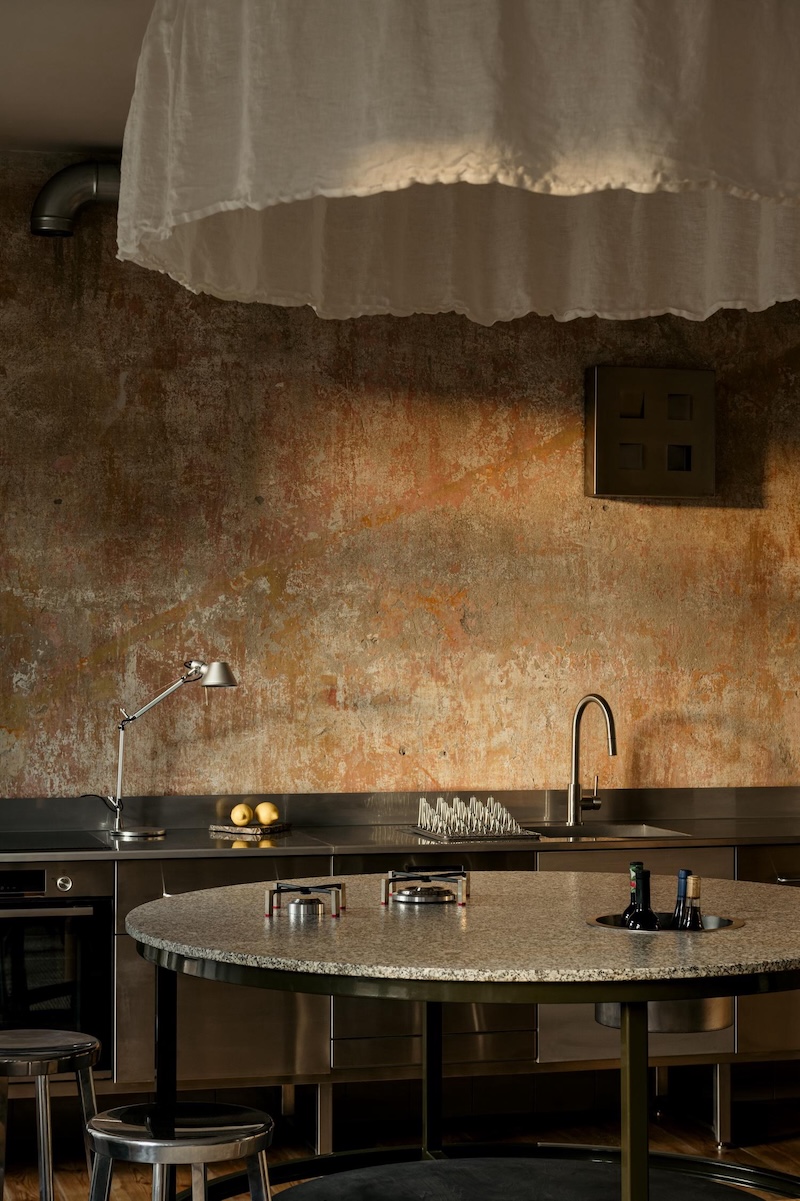
wiercinski-studio – P81 House, Poznań
Space is not just space. It is an artefact.
Adam Wierciński creates interiors with their own powerful design language – unconventional, sculptural and deeply original. Every project is woven through with custom furniture and details made by local craftspeople.
- Atmosphere: silence, tension, quiet drama – a space that breathes slowly but powerfully
- Colours: neutral and natural, often with striking accents
- Materials: natural and honest – solid wood, metal, textiles. No artificial effects.
The award-winning interior Mieszkanie Autora – his own apartment in a historic building in Poznań – won 2nd place at Wnętrze Roku SAW 2025 and was published in AD Poland, Dwell and Label. Minimalist, yet warm and sculptural.
The studio is also part of the prestigious AD100 Poland selection.
3. Wojtyczka Pracownia Projektowa – Playful eclecticism full of energy (Wrocław)
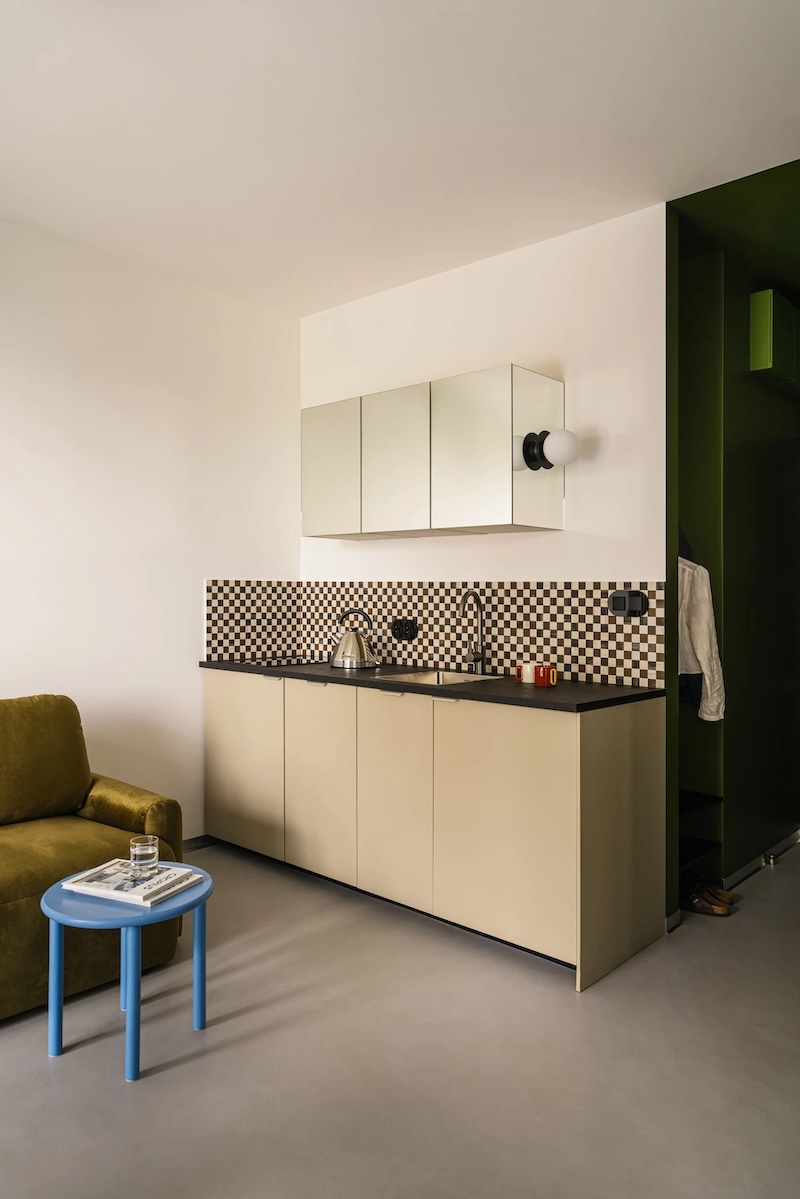
Wojtyczka Pracownia Projektowa – kitchen with checkerboard tiles and mirrored cabinet
Eclecticism with joy and energy.
Małgorzata Wojtyczka combines Bauhaus, Corbusian modernism, mid-century, Art Deco and retro elements (including PRL) with a contemporary twist. For her, colour is the primary emotion and energy. Her interiors have a positive vibration – they often feel like "eternal spring".
- Colours: rich and warm – cobalt blue, juicy red, mustard yellow, peach pink, dusty pink, pastel accents complemented by copper or gold
- Materials: terrazzo, marble (Calacatta Viola), geometric tiles, herringbone vinyl flooring, ribbed surfaces, copper, brass, vintage elements, velvet, glass blocks, wooden panels
Key project: Wieczna wiosna (2022–2023, Wrocław) – a 100 m² house for an energetic couple with two cats.
- Kitchen: dominant cobalt blue with copper accents
- Living area: mustard sofa and connection to the garden
- Bedroom: dusty pink on the bed and wallpaper
- Bathroom: juicy red with gold details
4. Katarzyna Baumiller Studio – Elegant whimsy (Warsaw)
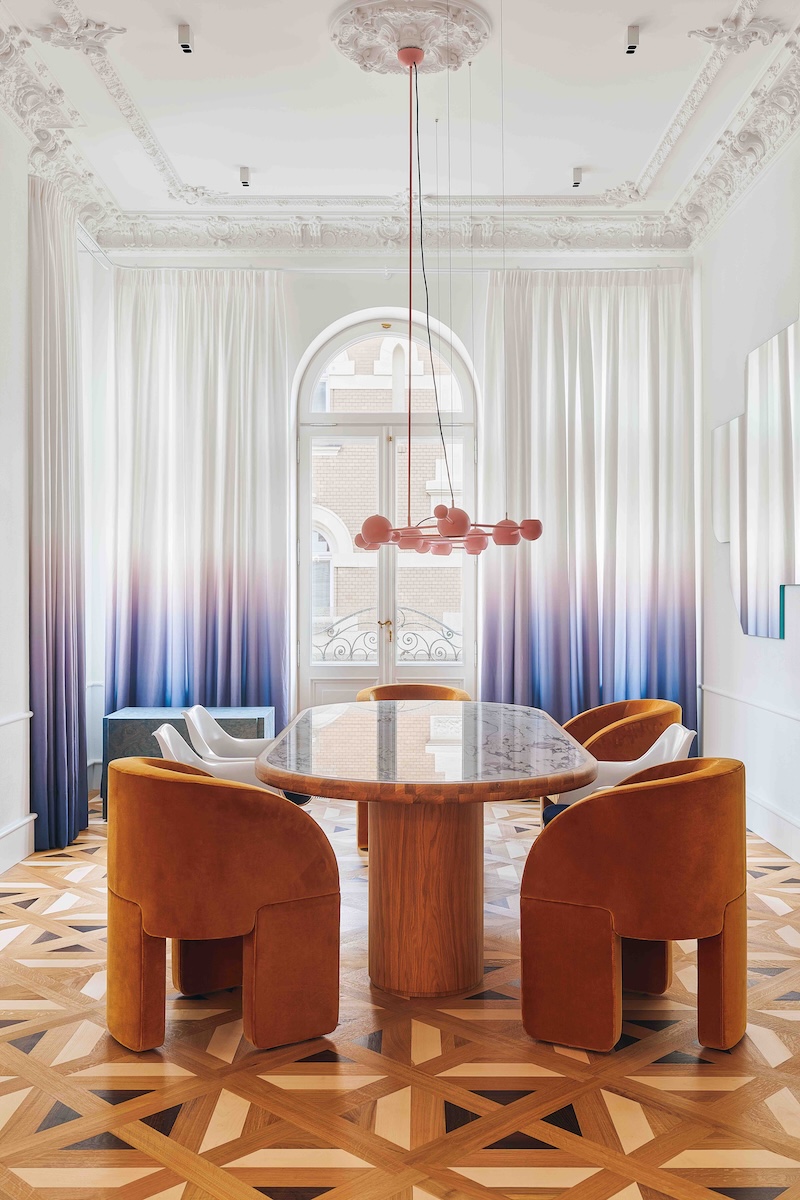
Katarzyna Baumiller Studio – Whimsical apartment, Warsaw
Intimate minimalism with emotion in the material and elegant courage.
Katarzyna Baumiller is part of AD100 Poland and her motto is: "beauty, courage, freedom".
She combines classical architecture (stucco, parquet) with modern sculptural and playful elements.
- strong contrast and play with form
- respect for history + contemporary courage
- functionality + poetic freedom (whimsy)
- geometry with soft curves and synaesthesia of colours
- Colours: cobalt blue as a strong accent, dusty pink, lavender, indigo, warm tones combined with black or chrome
- Materials: classical (stucco, oak parquet, marble) + modern contrasts (lacquered steel, glass, velvet, ombré textiles)
Key project: Whimsical apartment (2023) – a pre-war Warsaw tenement where the classical meets Memphis-inspired elements, a pink kitchen and sculptural furniture.
Why do Poles allow themselves (and want) courage?
It is no coincidence. Polish clients come with greater trust and expect individuality.
- strong design culture (prestigious SAW and Dobry Design awards, quality magazines WhiteMAD and Label)
- emotion first – an interior should tell a story
- economic growth and willingness to invest in originality
- less fear of others' opinions – a bold interior is a personal statement, not extravagance
What can we in the Czech Republic learn from this?
Here, bold authorial design is still at its beginning. Clients often choose the "safe" option – grey + wood, warm minimalism, something that "can be resold".
Yet globally the trend is moving in the same direction: away from cold minimalism, towards warmth, layering and individuality.
How to pull clients out of their comfort zone
Yes, it is hard. But it works when we change the way we communicate.
1. Talk about life, not aesthetics
"Imagine waking up every morning in a space that energises you instead of a grey box."
2. The strongest arguments
- long-term savings – quality materials last for decades
- family health – natural materials free of harmful substances
- emotional sustainability – design that keeps you interested
- increased property value
3. Practical techniques
- start with questions about emotions
- show real "before and after" and how materials develop over time
- use storytelling
- give the client control – start with small bold elements
Monika from COI Studio emphasises that she sets her own preferences aside and leaves space for the client's story. Trust is the key to courage.
Conclusion: Courage pays off
Poland shows that quality materials and good – even bolder – design are not a luxury, but an investment in long-term joy, health and the value of a home.
True sustainability is not recycled plastic.
It is buying once – and for a long time. And still enjoying it.
In the Czech Republic we have excellent craftspeople, talented designers and growing interest in authenticity. We just need to start speaking the language of emotions, benefits and long-term value.
Next time a client says "just make sure it's not too wild", think of Two Suns or Wieczna wiosna. That one conversation might just move them forward.
What about you?
Have you ever had a client who ended up being bolder than they originally planned?
Write to us via the Grain of Design contact form.